
AI that makes researchers measurably better at their craft.
We work with researchers, analysts, and research-heavy teams to build AI workflows that fit how their work actually gets done, and to keep those workflows honest as the tools evolve.
Previous experience with teams at Enagas · Sonae · Kaizen Institute · Tragsa · SYSTEMIQ
The first wave of “AI for research” was about getting answers faster. The interesting question now is whether AI can make researchers and analysts measurably better at their craft. Not just quicker, but more rigorous, more comprehensive, and more able to ask questions that were previously too expensive to ask.
We think the answer is yes, but it requires a different stance than most AI consulting takes. Instead of treating AI as a productivity tool to be adopted, treat it as a research collaborator to be trained, supervised, and held to standards. That shift is what this engagement is for.
Who this is for
You’ll get the most from working with us if you’re:
- An analyst or researcher at a consulting firm, think tank, or research institution, doing literature reviews, regulatory analysis, market intelligence, or evidence synthesis at a pace that’s no longer sustainable
- A research-heavy team in sustainability, policy, finance, or any other domain where decisions hinge on the quality of underlying analysis
- A solo researcher or independent practitioner who wants to operate at the depth of a small team without expanding overhead
- A research-led organization where the work is genuinely intellectual, the stakes are high, and “just use ChatGPT” isn’t an answer that holds up to scrutiny
We’re less of a fit if your interest is in AI for content production at volume (different stack, different concerns), or if you’re looking for a vendor to “implement AI” without engaging seriously with what AI does to research quality.
How we work
Same three engagement types as our sustainability practice, with research methodology as the primary lens:
1. Workflow assessment
A practical review of where your synthesis bottlenecks are, which AI tools (Claude, GPT, NotebookLM, and specialist research tools) change the work meaningfully, and what your existing practice can integrate without breaking. Output: a workflow blueprint, recommended tool stack, and a working pilot on one of your real research projects.
2. Embedded research project
We embed alongside your team on a specific research deliverable (a literature synthesis, a regulatory landscape, a methodology deep-dive, a stakeholder analysis) and build the AI workflow as we go. You get the deliverable; your team gets the method, fully transferred.
3. Capability transfer
Practitioner training, internal documentation, and ongoing methodology review for organizations that have started using AI for research and want to systematize. Particularly suited to teams handling sensitive or high-stakes research where a “just use AI” answer is insufficient.
Our approach
Three principles guide how we work:
Tool-agnostic. We have opinions about Claude, GPT, NotebookLM, and the growing ecosystem of specialist research tools, but we don’t sell tools. We sell better research workflows. The right tool depends on the research task, not on which vendor is paying us (none are).
Practitioner-first. We use AI for our own research on a daily basis: sustainability work, AI-in-education studies, regenerative-economy field projects. The workflows we recommend are the workflows we use. We’ve published a methodology for using Claude in research synthesis as a demonstration of how we work.
Rigor over speed. AI can accelerate research, but it can also make research more confidently wrong. Our workflows include explicit checkpoints for citation verification, source triangulation, and human judgment. Speed is a happy side effect of doing the work right, not the goal.
Where we’ve applied this
- Sustainability research synthesis: see Claude for Sustainability Research: A Practitioner’s Workflow for our published methodology in this domain
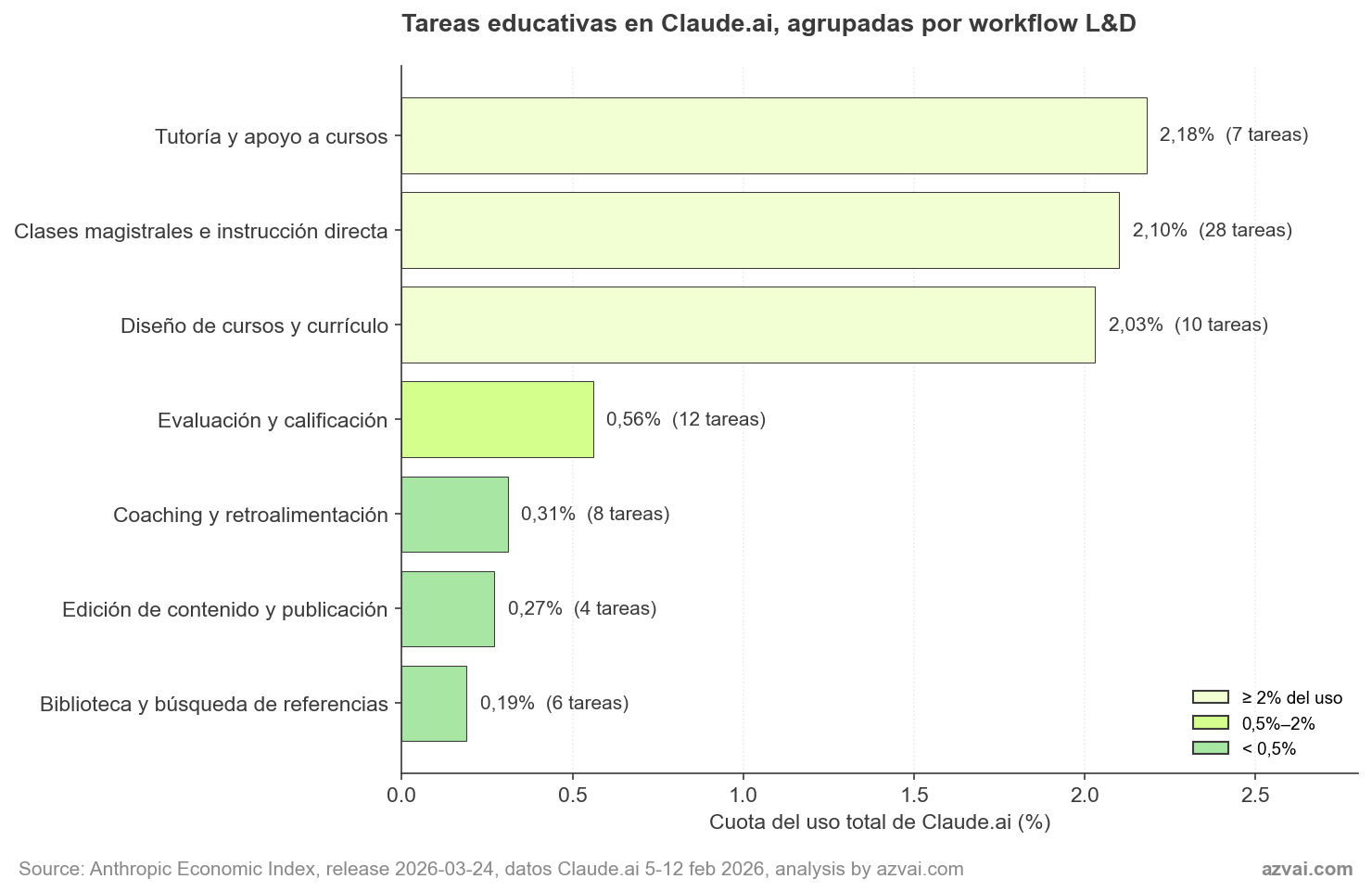
- AI in education research: see our analysis of generative AI usage data across educator workflows, informing product strategy on a 30,000-user learning platform
- Regenerative-economy field projects: see our project portfolio for circular-economy and field-research work where AI-assisted synthesis was central
What makes this different
If you compare this to a generic “AI for research” or “AI productivity” engagement, this is what stands out.
AI as a research collaborator
Most AI-for-research consulting frames AI as a way to do current research faster. Our interest is in doing harder research at all, with workflows that favour quality of synthesis, methodology checks and tool fluency over volume, shortcuts and dependency.
We’ve published our methodology
Unlike most AI consultants, our research workflows are public and testable. Read the methodology, try it yourself, then decide if you want help systematizing it for your team. We’d rather work with researchers who’ve already engaged with the ideas than sell a black-box “AI transformation”.
See our methods in action
Some of the research-workflow skills we use are now open source. The Claude Code skills hub gives you a working preview of how we extend Claude Code for analytical work: programmatic chart generation, content pipelines, SEO audits, certification prep. Browse it to see the depth, then get in touch about adapting these to your team or building new ones for your specific workflows.
Shall we talk?
If you’re working on research that matters and want to talk through where AI could change the work, get in touch.